
What Animals Can You See in Serengeti? The Complete Wildlife List
What Animals Can You See in Serengeti? The Complete Wildlife List
Exploring the incredible diversity of animals in Serengeti National Park is one of the most rewarding aspects of any safari. Located in northern Tanzania, Serengeti National Park is one of the most biologically rich ecosystems in the world, home to an extraordinary range of mammals, birds, reptiles, and smaller creatures that together create a balanced and thriving wilderness. From iconic predators to vast herds of herbivores, the Serengeti offers a complete wildlife experience that evolves with the seasons, especially during the great migration. Understanding the variety of species you can encounter transforms a safari from simple sightseeing into a deeper appreciation of how this ecosystem functions.
The Big Five in Serengeti National Park
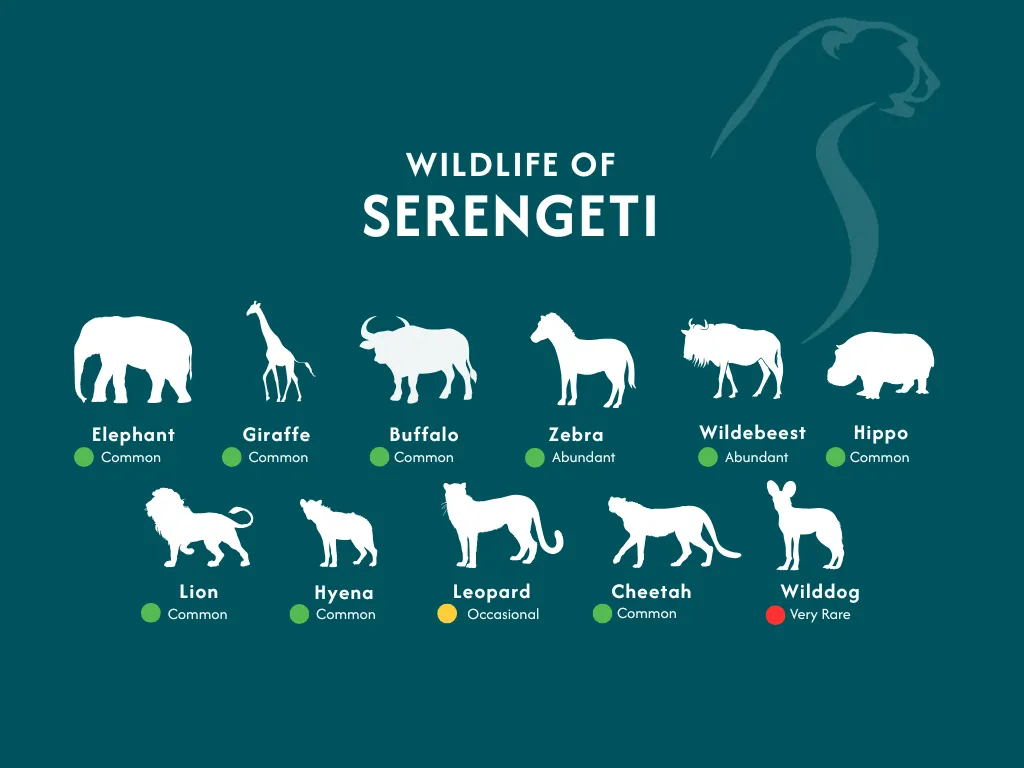
The Big Five are among the most sought-after animals in Serengeti National Park, originally named for their difficulty to hunt but now celebrated for their majesty and presence. Visitors have excellent chances of seeing Lion, which are commonly found resting on kopjes or hunting across the plains. African Elephant roam in family groups, often near riverine areas where water is readily available.
Leopard are more elusive, typically seen resting in trees or moving quietly through wooded areas, while African Buffalo gather in large herds that can be both impressive and intimidating. The most challenging of the Big Five to spot is the Black Rhinoceros, which exists in smaller numbers and is usually found in protected areas.
The Great Migration Species
The Serengeti is world-famous for the great migration, which features vast numbers of herbivores moving in search of fresh grazing. The centerpiece of this movement is the Wildebeest, with over a million individuals forming one of the largest animal migrations on Earth. Accompanying them are Plains Zebra, which often lead the herds, and Thomson’s Gazelle, known for their speed and agility.
These species form the backbone of the Serengeti ecosystem, supporting predator populations and shaping the landscape through their grazing patterns. Their constant movement ensures that wildlife viewing opportunities are always changing, making each visit unique.
Predators and Carnivores
Predators play a crucial role in maintaining the balance of animals in Serengeti National Park. In addition to lions, visitors can encounter Cheetah, which thrive in open plains where they can use their speed to hunt. Spotted Hyena are both skilled hunters and scavengers, often seen in clans near carcasses or hunting cooperatively.
African Wild Dog are rare but occasionally spotted, offering a unique and exciting sighting for lucky visitors. Smaller carnivores such as jackals and servals also inhabit the Serengeti, adding diversity to the predator population.
Herbivores Beyond the Migration
Beyond the migration species, the Serengeti hosts a wide variety of herbivores that remain in the park year-round. Giraffe move gracefully across the plains, feeding on acacia trees, while Hippopotamus can be found in rivers and waterholes, often in large groups.
Eland, the largest antelope, and Topi are commonly seen grazing in open areas. Warthogs, impalas, and dik-diks add further variety, each occupying specific ecological niches within the Serengeti.
Birdlife in Serengeti National Park
The Serengeti is also a paradise for bird enthusiasts, with over 500 recorded species. Large birds such as ostriches roam the plains, while raptors like eagles and vultures soar overhead, often following predator activity. Brightly colored species, including rollers and bee-eaters, add vibrant touches to the landscape.
Wetlands and seasonal water sources attract a variety of waterbirds, creating diverse birdwatching opportunities throughout the park. This rich avian life adds another dimension to the list of animals in Serengeti National Park, ensuring that there is always something new to observe.
Reptiles and Smaller Creatures
Reptiles and smaller animals are often overlooked but are an essential part of the Serengeti ecosystem. Crocodiles inhabit rivers, particularly in areas where migration crossings occur, while lizards and snakes thrive in the warm climate. Insects, including dung beetles, play a critical role in nutrient recycling, contributing to the health of the environment.
These smaller creatures may not attract as much attention as larger mammals, but they are vital to maintaining the balance of the ecosystem and offer fascinating insights for those willing to look closely.
Seasonal Variations in Wildlife Viewing
The variety of animals in Serengeti National Park changes with the seasons. During the dry season, wildlife concentrates around water sources, making sightings more predictable. In the wet season, the landscape becomes lush, and animals spread out, but this period offers unique opportunities such as calving and bird migrations.
Understanding these seasonal patterns helps visitors plan their safari to match their interests, whether they are focused on predator action, migration events, or general wildlife diversity.
Tips for Spotting Animals in Serengeti National Park
Go on early morning and late afternoon game drives for the best activity.
Use binoculars to spot distant animals across the plains.
Follow experienced guides who understand animal behavior and habitats.
Be patient and observant, as wildlife can appear unexpectedly.
Visit different regions of the park to see a wider variety of species.
Booking Tips for Wildlife Safaris
When planning a safari focused on animals in Serengeti National Park, choosing the right location and timing is essential. Staying in areas with high wildlife density increases your chances of sightings, while longer stays allow for more comprehensive exploration.
Booking during the appropriate season for your interests ensures a more rewarding experience, whether you want to witness the migration, see predators in action, or enjoy general wildlife viewing. With proper planning, the Serengeti offers one of the most complete and unforgettable wildlife experiences in the world.