
Cheetah Spotting in Serengeti: Tips for Finding Africa’s Fastest Cat
 Cheetah Spotting in Serengeti: Tips for Finding Africa’s Fastest Cat
Few wildlife encounters are as thrilling as seeing a cheetah in full stride across the open plains, and mastering cheetah spotting Serengeti safari experiences requires patience, timing, and a deep understanding of the landscape. In the vast ecosystem of Serengeti National Park, cheetahs thrive in specific habitats where visibility, prey availability, and minimal competition give them the advantage they need to survive. Unlike other big cats, cheetahs rely on speed rather than strength, making their behavior, movement patterns, and preferred locations distinct and fascinating to observe. For travelers, learning how to find and track these elusive predators transforms a safari into a focused and rewarding pursuit.
Understanding Cheetah Habitat in the Serengeti
Cheetahs prefer open grasslands where they can spot prey from a distance and use their speed effectively. The southern and eastern plains of the Serengeti are particularly well suited to their hunting style, offering unobstructed terrain that allows them to accelerate rapidly during a chase. These areas are especially productive during the green season when herbivores gather to graze on fresh grass.
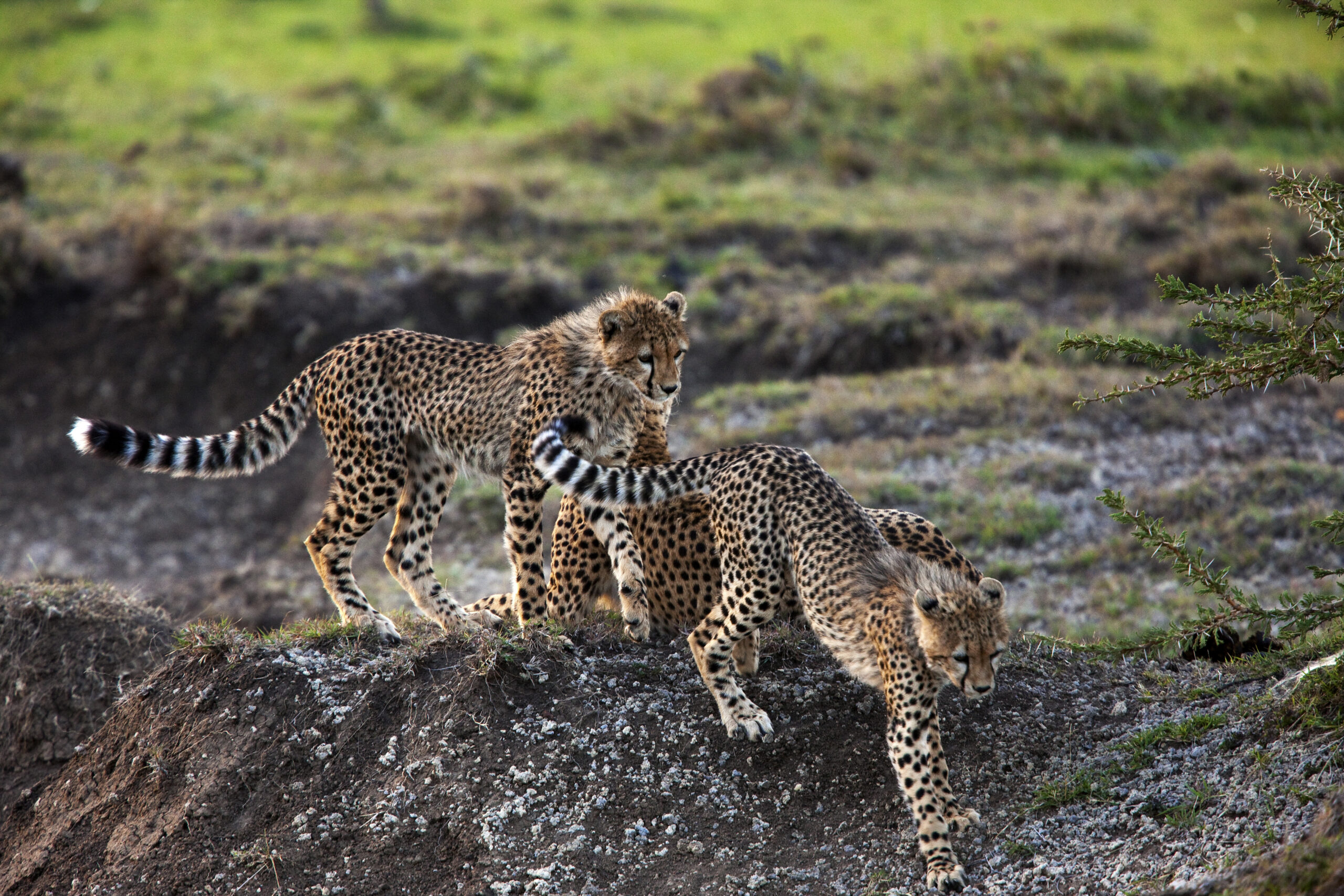
Unlike lions and leopards, cheetahs avoid dense vegetation and rocky terrain where ambush predators have the advantage. Instead, they rely on visibility and space, often using small termite mounds or slight elevations to scan their surroundings. Understanding this preference is key to successful cheetah spotting Serengeti safari experiences, as it narrows down the areas where sightings are most likely.
Best Time for Cheetah Spotting
Timing plays a crucial role in finding cheetahs. Early morning and late afternoon are the most active periods, as cooler temperatures make hunting more efficient. During these hours, cheetahs are more likely to be seen moving, scanning for prey, or preparing for a chase.
Seasonal timing also matters. The calving season, typically from January to March in the southern Serengeti, provides an abundance of young and vulnerable prey, increasing cheetah activity. During this period, sightings are more frequent, and the chances of witnessing a hunt are significantly higher.
Identifying Cheetah Behavior
Recognizing cheetah behavior is essential for anticipating movement and increasing your chances of a sighting. When a cheetah is resting, it is often found lying in the grass or perched on a slight rise, conserving energy for future hunts. These moments may seem inactive but provide excellent opportunities for observation and photography.
When a cheetah becomes alert, its posture changes noticeably. It may sit upright, scan the horizon, or begin moving slowly through the grass. These are signs that a hunt may be imminent. Understanding these cues allows you to prepare your camera and position yourself for potential action.
How to Spot Cheetahs in the Wild
Cheetah spotting Serengeti safari success often comes down to attention to detail. Their slender build and spotted coat can blend surprisingly well with the grass, making them difficult to detect at a distance. Scanning the horizon for movement, unusual shapes, or elevated silhouettes can reveal their presence.
Observing prey animals can also provide clues. Sudden alertness or changes in behavior among gazelles or impalas may indicate a nearby predator. Following these subtle signals increases your chances of locating cheetahs before they become visible.
Working with experienced guides significantly enhances your success. Guides are skilled at interpreting tracks, behavior, and environmental cues, allowing them to locate cheetahs more efficiently than untrained observers.
Best Areas for Cheetah Spotting in the Serengeti
The southern Serengeti is widely regarded as one of the best regions for cheetah sightings, particularly during the calving season. The abundance of prey and open terrain create ideal conditions for hunting and observation. The eastern plains also offer excellent opportunities, especially for those seeking quieter and less crowded areas.
Central Serengeti can still provide sightings, but the terrain is more varied, and competition from other predators is higher. Focusing on open plains within this region increases your chances of success. A well-planned cheetah spotting Serengeti safari often includes multiple regions to maximize opportunities.
Photography Tips for Cheetah Encounters
Photographing cheetahs requires preparation and quick reflexes. A fast shutter speed is essential to capture high-speed chases, while continuous shooting mode increases the likelihood of capturing decisive moments. Positioning your vehicle at a distance that allows for both close-ups and wider shots provides flexibility in composition.
Lighting is also important. Early morning and late afternoon light enhance the natural colors of the landscape and create softer shadows, improving image quality. Anticipating movement and keeping your camera ready ensures that you do not miss critical moments during a hunt.
Challenges of Cheetah Spotting
Cheetahs are among the more elusive predators in the Serengeti, and sightings are never guaranteed. Their relatively low population density and preference for specific habitats mean that finding them requires effort and persistence. Weather conditions, vegetation height, and prey movement can all influence their visibility.
Competition with other predators also affects cheetah behavior. Lions and hyenas often dominate shared territories, forcing cheetahs to remain cautious and sometimes relocate. These challenges make each sighting more rewarding and highlight the importance of patience during your safari.
Tips for a Successful Cheetah Spotting Serengeti Safari
Focus on open plains where cheetahs are most likely to hunt. Plan game drives during cooler hours when activity is highest. Pay attention to prey behavior and environmental cues that may indicate predator presence. Work closely with knowledgeable guides who understand the landscape and animal movements. Remain patient and observant, as cheetah sightings often require time and persistence.
Cheetah spotting Serengeti safari experiences offer a unique perspective on one of Africa’s most specialized predators. From their incredible speed to their strategic hunting behavior, cheetahs embody the elegance and intensity of the Serengeti ecosystem. For those willing to look carefully and wait patiently, the reward is an unforgettable encounter with the fastest land animal on Earth, set against one of the most iconic landscapes in the world.
 Serengeti Kopjes: Hidden Gems for Lion Sightings and Stunning Views
 Southern Serengeti: The Best-Kept Secret for Incredible Wildlife
 Serengeti Camping vs Lodge Safari: Pros, Cons & Costs Compared
 Lions of the Serengeti: Tracking the World’s Most Iconic Predators
 Best Lodges in Serengeti National Park: Luxury to Budget Options
 Serengeti vs Maasai Mara: Which Is Better for the Great Migration?