
Serengeti Migration Calendar: Where the Herds Are Every Month
Serengeti Migration Calendar: Where the Herds Are Every Month
Understanding the Serengeti migration calendar month by month is essential for planning a successful safari in Serengeti National Park. The great wildebeest migration is not a single event but a continuous cycle driven by rainfall, fresh grazing, and survival instincts. Over 1.5 million wildebeest, along with zebras and gazelles, move in a circular pattern across northern Tanzania, creating one of the most dynamic wildlife spectacles in the world. Knowing where the herds are each month allows travelers to align their visit with specific migration phases, from calving season to river crossings.
January – Southern Serengeti and Ndutu Plains
January is one of the most rewarding months in the Serengeti migration calendar month by month, as the herds settle in the southern plains near Ndutu. The landscape is lush with fresh grass, providing ideal conditions for calving. Thousands of wildebeest give birth within a short period, creating a nursery-like environment across the plains. This abundance of vulnerable calves attracts predators, making it a prime time for dramatic wildlife encounters.
February – Peak Calving Season
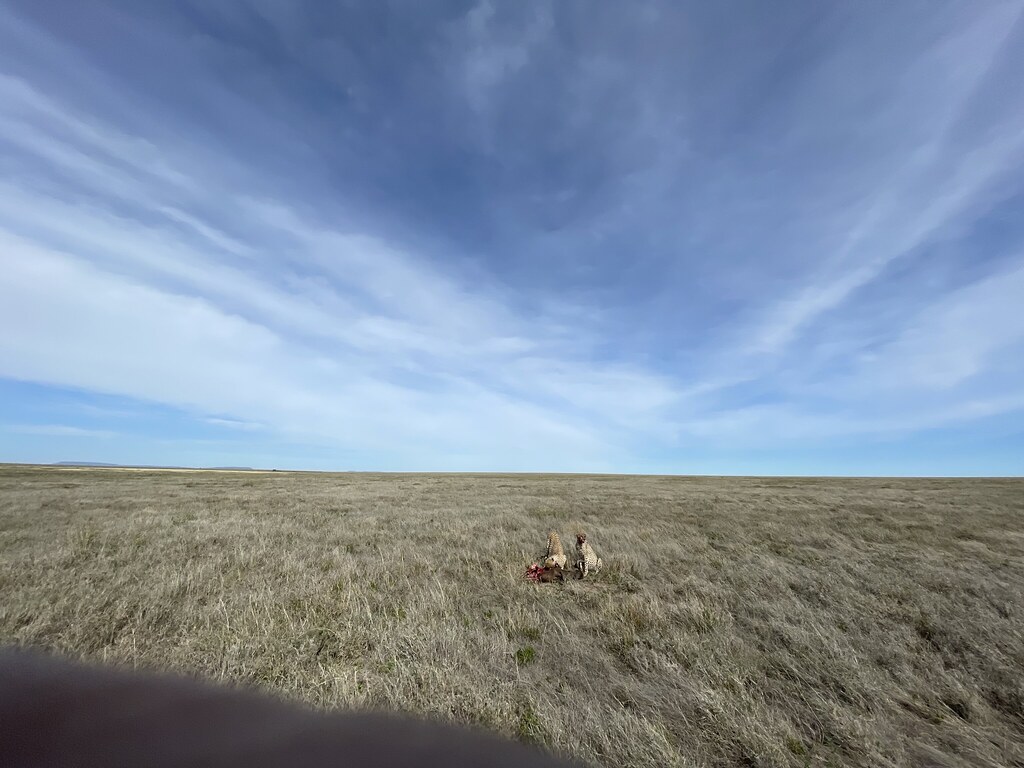
February marks the peak of the calving season, with the highest concentration of births occurring during this period. The herds remain in the southern Serengeti, and predator activity intensifies as lions and cheetahs take advantage of the abundance of young animals. For visitors, this is one of the most action-packed months, offering a combination of new life and survival challenges across the plains.
March – Transition and Early Movement
In March, the calving season begins to taper off, and the herds start preparing for movement. While many animals remain in the south, there is a noticeable increase in mobility as grazing conditions begin to change. This transitional period offers a mix of young calves and moving herds, creating varied wildlife viewing opportunities.
April – Movement Toward Central Serengeti
April signals the start of the long rains, and the herds begin moving northwest toward the central Serengeti. The plains become greener and more vibrant, and the migration forms long, dramatic columns of animals stretching across the landscape. Although vegetation can make wildlife slightly harder to spot, the scenery during this time is among the most beautiful of the year.
May – Western Corridor Gathering
By May, the herds concentrate in the western corridor of the Serengeti. This is a period of significant movement, with thousands of animals traveling together in dense groups. The landscape is still green, and the migration begins to build momentum as the animals prepare to cross major river systems.
June – Grumeti River Crossings
June marks the transition into the dry season, and the herds begin crossing the Grumeti River. These crossings are less famous than those in the north but still offer dramatic wildlife interactions. Large Nile Crocodile lie in wait, creating tension as animals navigate the water. This period provides excellent opportunities for those seeking a quieter yet equally thrilling migration experience.
July – Northern Serengeti Arrival
In July, the herds reach the northern Serengeti and begin gathering near the Mara River. This marks the beginning of the most iconic phase of the Serengeti migration calendar month by month. Wildlife viewing improves as the dry season reduces vegetation, and animals concentrate around water sources.
August – Peak Mara River Crossings
August is widely considered the most dramatic month of the migration, as thousands of wildebeest attempt to cross the Mara River. The crossings are chaotic and unpredictable, with strong currents and predators adding to the intensity. This is one of the most sought-after safari experiences, offering unforgettable moments for visitors.
September – Continued Northern Activity
September continues to provide exceptional opportunities for witnessing river crossings and predator interactions. The herds move back and forth across the river, increasing the chances of seeing multiple crossings. The northern Serengeti remains the focal point of activity during this period.
October – Movement Begins South
In October, the migration begins to shift southward as the short rains approach. While some crossings may still occur, the herds gradually disperse across the northern and central Serengeti. This transitional phase offers fewer crowds and a more relaxed safari atmosphere.
November – Short Rains and Dispersal
November brings the short rains, encouraging the herds to move further south. The landscape becomes greener, and wildlife spreads out across the plains. This period is less dramatic but offers peaceful and scenic safari experiences with fewer visitors.
December – Return to Southern Plains
By December, the herds complete their cycle by returning to the southern Serengeti. The conditions once again become ideal for calving, setting the stage for the next generation of wildebeest. This full-circle movement highlights the continuous nature of the migration and its dependence on seasonal changes.
Tips for Planning with the Serengeti Migration Calendar Month by Month
Planning your safari around the Serengeti migration calendar month by month requires flexibility and strategic timing. The migration is influenced by rainfall, so exact movements can vary slightly each year. Booking accommodations close to the herds’ expected location increases your chances of witnessing key events such as calving or river crossings.
Travelers should prioritize location over luxury, as proximity to wildlife significantly enhances the experience. Staying multiple nights in one region allows for deeper exploration, while combining different zones can provide a broader perspective of the migration. Early booking is essential during peak months, particularly between July and September.
Packing appropriately for changing weather conditions, bringing binoculars, and maintaining a flexible itinerary will further improve your safari experience. Understanding the Serengeti migration calendar month by month ensures that every day of your journey is aligned with the movement of the herds, creating a more immersive and rewarding adventure.