
Central Serengeti vs Northern Serengeti: Which Zone Is Best for You?
 Central Serengeti vs Northern Serengeti: Which Zone Is Best for You?
When planning a safari in Serengeti National Park, understanding the differences between the park’s regions is essential to crafting the experience you desire. The park spans nearly 15,000 square kilometers, and each zone offers distinct landscapes, wildlife concentrations, and seasonal highlights. Comparing Central Serengeti vs Northern Serengeti safari allows travelers to select the area that aligns with their interests, whether it is witnessing the dramatic river crossings, experiencing vast herds, or enjoying quieter, more exclusive wildlife viewing. Each zone has its own rhythm, character, and opportunities, making this choice a key factor in any Serengeti itinerary.
Central Serengeti Safari Experience
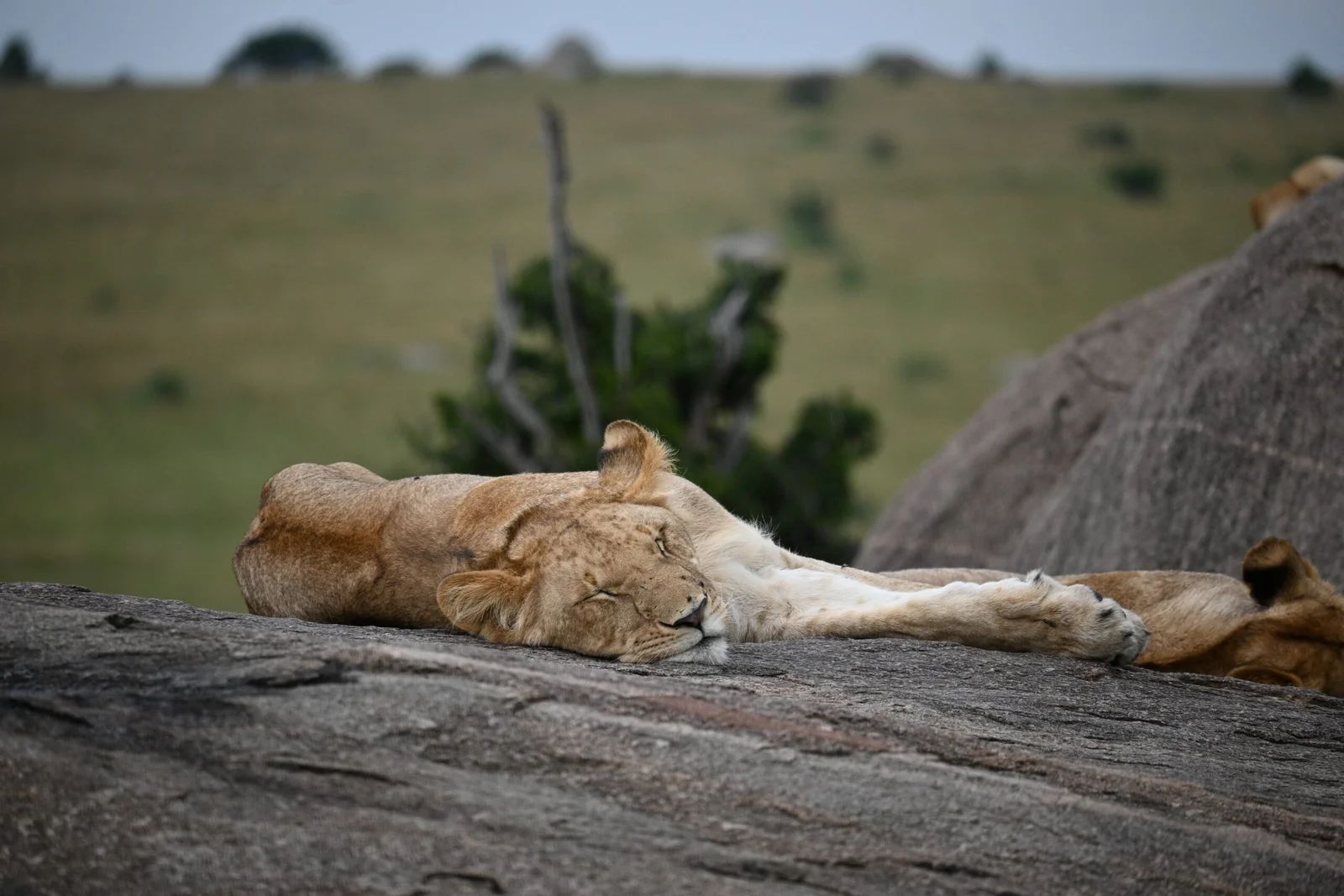
The Central Serengeti is often considered the heart of the park. This zone is defined by wide-open plains, gently rolling hills, and classic savannah landscapes that epitomize the African wilderness. It is one of the best places to observe the great wildebeest migration, particularly between April and June, when herds move through the area after leaving the southern calving grounds. Central Serengeti is also ideal for those seeking consistent wildlife sightings, as it supports large populations of predators such as Lion, Cheetah, and Leopard.
In addition to the migration, Central Serengeti provides opportunities to encounter resident wildlife year-round, including African Elephant, Masai Giraffe, and Cape Buffalo. Its terrain makes game drives relatively easy, with excellent visibility across the plains. Visitors can enjoy the serene balance of vast landscapes punctuated by acacia trees and occasional kopjes, creating picture-perfect scenes for photography and immersive wildlife observation.
Northern Serengeti Safari Experience
Northern Serengeti offers a distinctly different safari experience, defined by the iconic Mara River crossings, which typically occur between July and October. This region is less about rolling plains and more about dramatic river landscapes where wildlife congregates in high densities. The northern zone is a magnet for visitors seeking the high-adrenaline spectacle of wildebeest plunging into crocodile-infested waters, making it one of the most photographed and filmed areas of the migration.
The northern region also provides exceptional predator viewing, as lions, hyenas, and leopards follow the herds in concentrated areas along the riverbanks. The landscape features rocky outcrops, riverine forests, and open plains, offering varied game drive experiences. While Northern Serengeti can be more crowded during peak migration months, its natural drama and concentration of wildlife often justify the higher visitor presence for those seeking the ultimate migration spectacle.
Choosing Between Central and Northern Serengeti
Selecting between Central Serengeti vs Northern Serengeti safari depends largely on your priorities. If your goal is consistent wildlife sightings across a quieter, classic savannah landscape with fewer tourists, Central Serengeti is ideal. It is also preferable for photographers seeking expansive plains with scattered wildlife against a backdrop of rolling terrain. Conversely, if witnessing the Mara River crossings, high predator-prey interactions, and intense migration action is your priority, Northern Serengeti offers unparalleled drama and iconic safari moments.
Travelers should also consider the timing of their visit. Central Serengeti shines during the movement of the herds from the south, while Northern Serengeti becomes the focal point during the river crossings. Many safari itineraries combine both zones to maximize wildlife exposure and migration experiences, allowing travelers to enjoy the serenity of Central Serengeti while concluding their journey with the adrenaline of Northern Serengeti.
Additional Considerations
Accessibility, accommodation options, and game drive dynamics vary between the zones. Central Serengeti lodges and camps often provide a more immersive, less crowded experience with opportunities for walking safaris and off-road exploration, while Northern Serengeti accommodations are strategically positioned near river crossing points for optimal viewing. Working with guides familiar with herd movements and local geography ensures that your safari experience is both safe and rewarding, regardless of the zone you choose.
Final Thoughts
Understanding the distinctions between Central Serengeti vs Northern Serengeti safari allows travelers to plan a journey tailored to their interests. Central Serengeti offers tranquility, expansive landscapes, and consistent wildlife, while Northern Serengeti delivers dramatic river crossings and high-density predator-prey interactions. Choosing the right zone—or combining both—ensures a safari that captures the diversity, energy, and unforgettable beauty that defines Serengeti National Park. Whether your priority is peaceful exploration or high-adrenaline wildlife action, both zones offer experiences that remain etched in memory long after the journey ends.