
7-Day Serengeti Safari Itinerary: The Perfect Wildlife Experience
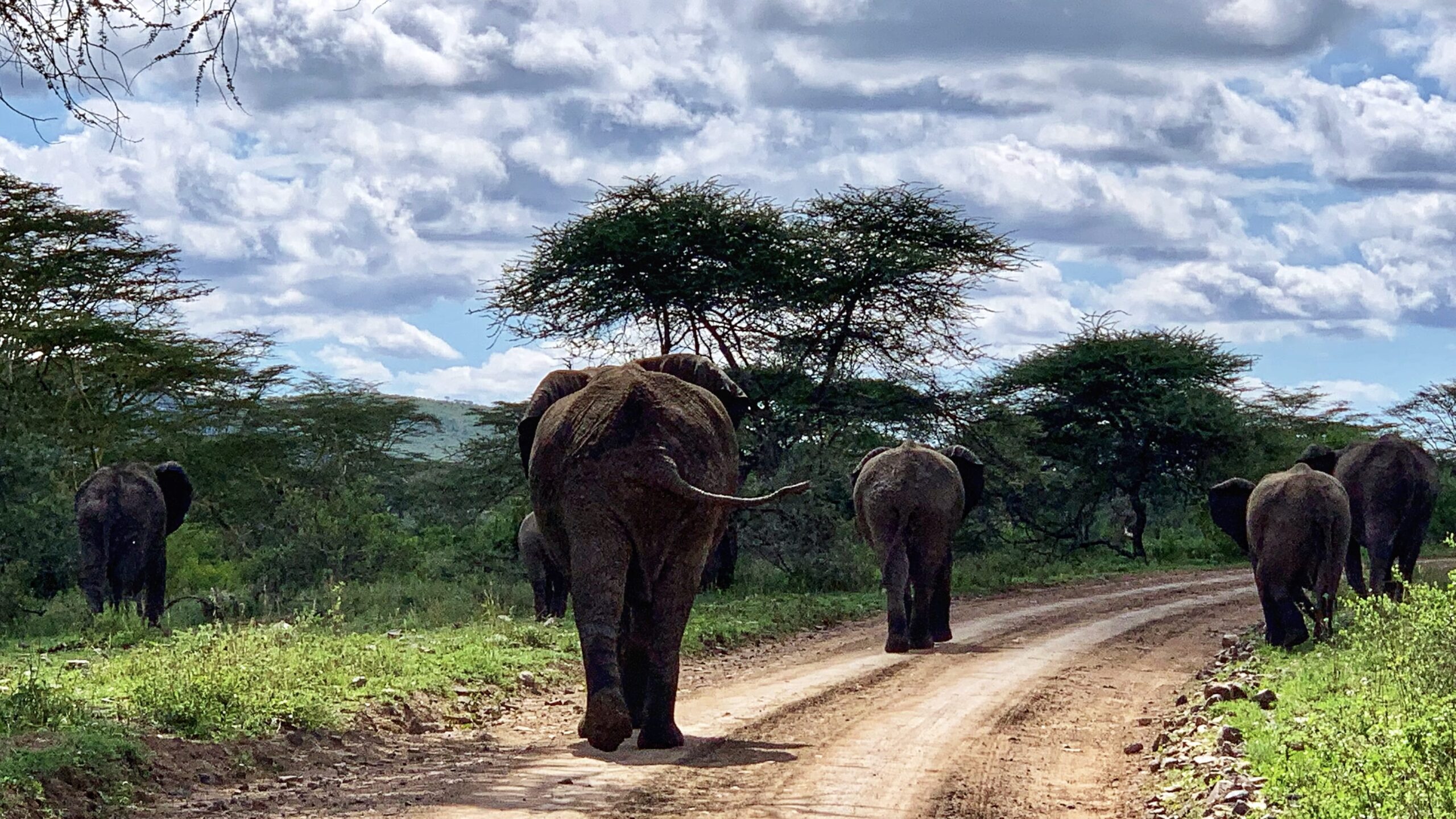 7-Day Serengeti Safari Itinerary: The Perfect Wildlife Experience
A journey through Serengeti National Park is not just a safari; it is a living story of movement, survival, and unforgettable encounters that stay with you long after you leave. A well-crafted 7 day Serengeti safari itinerary allows you to experience the full rhythm of this vast ecosystem, from golden sunrises over endless plains to dramatic predator encounters and quiet moments that become lasting memories. Over seven days, the landscape unfolds in layers, each region offering something unique, ensuring that no two days ever feel the same. This is where travelers come to remember memories, not just witness wildlife, but feel deeply connected to it.
Day 1: Arrival and Introduction to the Serengeti
Your journey begins as you arrive at the Serengeti, either by road or light aircraft, with the landscape immediately setting the tone for the days ahead. The vast plains stretch endlessly, dotted with acacia trees and distant wildlife silhouettes that hint at the richness of what lies ahead. After settling into your camp or lodge, your first game drive introduces you to the ecosystem.
This initial drive is often filled with excitement as you encounter zebras, giraffes, and antelopes moving gracefully across the plains. Predators such as lions may already make an appearance, resting in the shade or surveying their territory. The evening brings a soft golden glow, and as the sun sets, the sounds of the wild begin to take over, marking the start of your immersive safari experience.
Day 2: Exploring the Central Serengeti
The heart of the Serengeti, often referred to as Seronera, is one of the most wildlife-rich areas in the park. This region offers a mix of open plains and riverine habitats, making it ideal for both herbivores and predators.
Morning and afternoon game drives reveal an incredible diversity of wildlife. Lions are commonly seen lounging on kopjes or under trees, while leopards may be spotted resting in branches along riverbanks. Elephants move steadily through the landscape, and hippos gather in pools, creating dynamic scenes of life in motion.
The central Serengeti is also an excellent place to observe interactions between species, from hunting attempts to territorial displays. Each moment feels unpredictable, adding to the excitement of the safari.
Day 3: Journey to the Southern Plains
On the third day, the journey continues toward the southern Serengeti, where the landscape opens into vast grasslands that seem to stretch beyond the horizon. This region is particularly significant during the calving season, when thousands of wildebeest give birth, attracting predators and creating dramatic wildlife encounters.
The openness of the terrain makes it easier to spot animals, and the abundance of prey increases the chances of witnessing hunts. Cheetahs are especially active here, taking advantage of the flat landscape to chase down their targets.
As the day unfolds, the sheer scale of the migration becomes apparent, with herds moving in synchronized patterns that define the Serengeti’s identity.
Day 4: Full Day in the Southern Serengeti
Spending a full day in the southern plains allows for deeper exploration and a more relaxed pace. Early morning drives often reveal predators returning from nighttime hunts, while midday offers opportunities to observe animals at rest.
The afternoon brings renewed activity as temperatures cool, and the plains come alive once again. Watching a cheetah scan the horizon or a group of wildebeest move cautiously across the grass creates moments that feel both intimate and expansive.
This day is about immersion, taking the time to absorb the environment and truly understand the dynamics of the ecosystem.
Day 5: Exploring Kopjes and Hidden Landscapes
The fifth day introduces a different side of the Serengeti, focusing on the iconic granite outcrops known as Serengeti kopjes. These formations rise dramatically from the plains, providing shelter and vantage points for wildlife.
Lions are often found resting on these rocks, using the elevated position to monitor their surroundings. Hyraxes and other small animals inhabit the crevices, while the surrounding plains continue to host a variety of herbivores.
Exploring these areas adds depth to your safari, showcasing the diversity of habitats within the Serengeti and offering unique photographic opportunities.
Day 6: Northern Serengeti Adventure
The northern Serengeti offers a more remote and tranquil experience, with fewer visitors and a sense of untouched wilderness. This region is particularly famous for river crossings during the migration, where wildebeest and zebras navigate dangerous waters filled with crocodiles.
Even outside migration periods, the northern Serengeti provides excellent wildlife viewing. Elephants, giraffes, and predators roam the landscape, and the scenery shifts to include rolling hills and river systems.
The sense of isolation and raw beauty in this region creates a different kind of connection, one that feels deeply personal and reflective.
Day 7: Final Game Drive and Departure
The final day begins with a sunrise game drive, offering one last opportunity to experience the magic of the Serengeti. The early light casts long shadows across the plains, and the air is filled with the sounds of awakening wildlife.
This drive often brings unexpected sightings, reminding you that the Serengeti is always full of surprises. As you prepare to depart, the memories of the past seven days come together, forming a vivid and lasting impression of one of the world’s most extraordinary destinations.
A 7 day Serengeti safari itinerary is more than a schedule; it is a journey through one of nature’s greatest spectacles. Each day builds on the last, creating a narrative that captures the essence of the wild. From the open plains to the rocky kopjes and remote northern landscapes, the Serengeti offers an experience that stays with you, inviting you to return and relive the memories again and again.