
Southern Serengeti: The Best-Kept Secret for Incredible Wildlife
 Southern Serengeti: The Best-Kept Secret for Incredible Wildlife
The southern plains of Serengeti National Park remain one of the most underrated yet rewarding safari destinations in Africa, offering a quieter, more intimate experience compared to the more visited central and northern regions. For travelers seeking authenticity, space, and exceptional wildlife encounters, a Southern Serengeti safari guide reveals a landscape defined by open horizons, seasonal abundance, and dramatic predator-prey interactions. This region, stretching toward the Ndutu area and the Ngorongoro Conservation boundary, plays a critical role in the great migration cycle while maintaining a sense of remoteness that enhances every moment spent in the wild. Unlike other parts of the Serengeti where crowds can gather during peak migration events, the southern plains offer a more peaceful atmosphere, allowing visitors to connect deeply with the environment and observe wildlife without constant interruption from other vehicles. The experience here is shaped not only by what you see but by the space and silence that surrounds you, creating a safari that feels both personal and immersive.
Landscape and Ecosystem of the Southern Serengeti
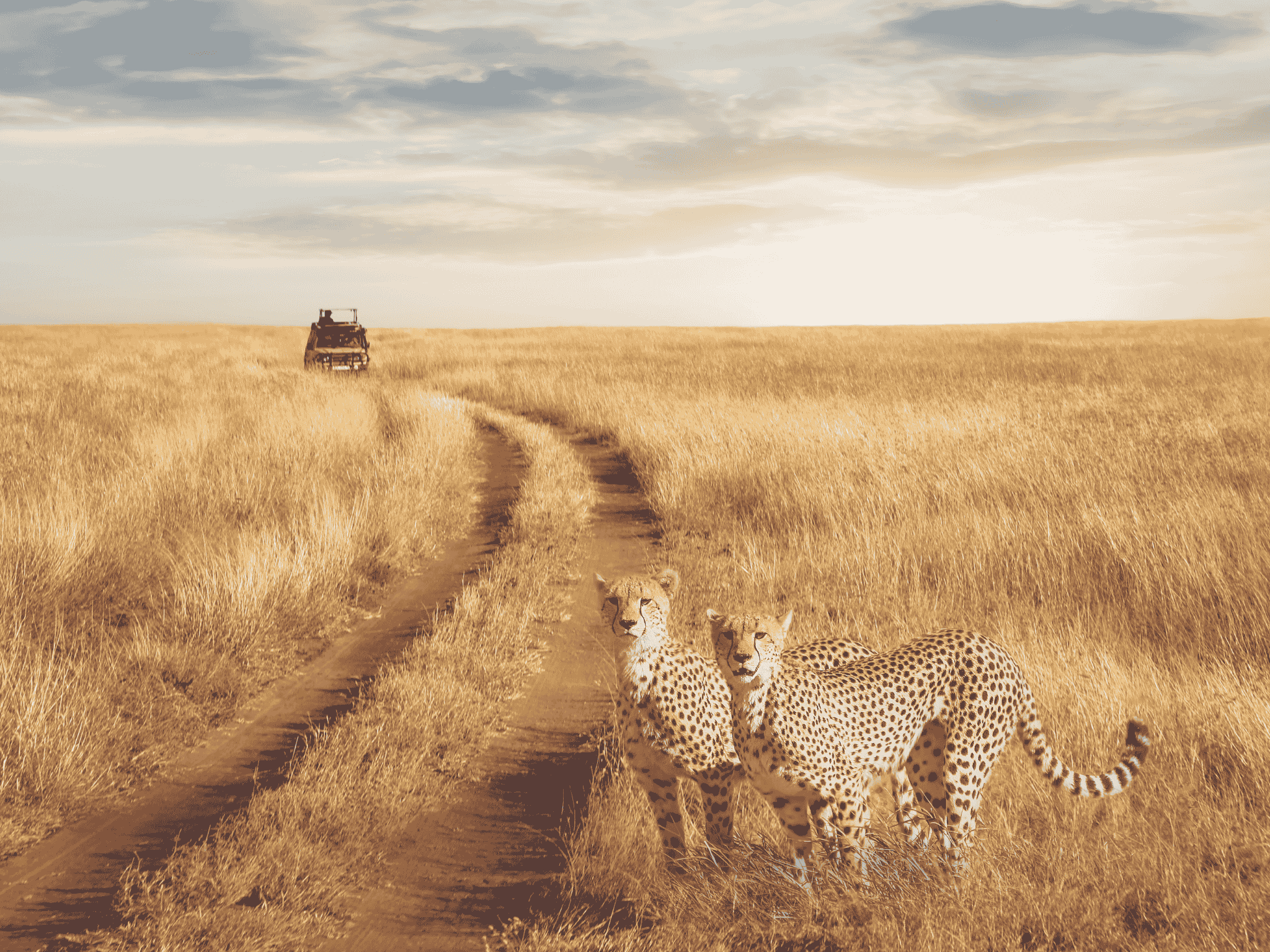
The defining feature of the southern Serengeti is its vast, treeless plains, which stretch endlessly under wide African skies. These short-grass plains are formed by nutrient-rich volcanic soils, creating one of the most fertile grazing grounds in the ecosystem. This unique environment supports large concentrations of herbivores, particularly during the wet season when fresh grass is abundant. Unlike the central Serengeti, where kopjes and scattered trees break up the terrain, the southern plains offer unobstructed views that make wildlife spotting both easier and more dramatic.
Seasonality plays a crucial role in shaping this landscape. During the green season, the plains transform into a lush carpet of grass, attracting massive herds of wildebeest and zebras. As the dry season approaches, the grass diminishes, and wildlife begins to move northward in search of water and better grazing conditions. This constant cycle of renewal and movement defines the rhythm of life in the southern Serengeti, making it a dynamic and ever-changing environment that rewards those who visit at the right time.
The Great Migration and Calving Season
One of the most significant reasons to explore the southern Serengeti is its role in the great wildebeest migration, particularly during the calving season. Between January and March, this region becomes the focal point of the migration as hundreds of thousands of wildebeest gather to give birth. The synchronization of births is a survival strategy, overwhelming predators with sheer numbers and increasing the chances of calf survival.
For visitors, this period offers extraordinary wildlife viewing opportunities. Newborn calves can be seen taking their first steps within minutes of birth, while predators remain constantly alert, taking advantage of the abundance of vulnerable prey. Lions, cheetahs, and hyenas are especially active during this time, creating intense and often dramatic encounters. A Southern Serengeti safari guide would not be complete without highlighting this season as one of the most compelling times to visit, as it combines the beauty of new life with the raw realities of survival in the wild.
Predator Activity and Wildlife Diversity
Beyond the migration, the southern Serengeti supports a rich diversity of wildlife that thrives in its open landscapes. The abundance of herbivores provides a steady food source for predators, making this region one of the best places to observe hunting behavior. Lions are commonly seen resting in the shade or stalking prey across the plains, while cheetahs use the open terrain to their advantage, relying on speed and agility to capture smaller animals.
Hyenas, often underestimated, play a crucial role in the ecosystem as both hunters and scavengers. Their presence adds another layer of complexity to predator dynamics, particularly during the calving season when competition for food is high. Other species, including elephants, giraffes, and various antelope, contribute to the biodiversity of the region, ensuring that every game drive offers a wide range of sightings. Birdlife is also abundant, with numerous species taking advantage of the open plains and seasonal wetlands.
Why the Southern Serengeti Is Less Crowded
One of the key advantages of visiting the southern Serengeti is the relative lack of crowds compared to other parts of the park. While areas such as the northern Serengeti attract large numbers of visitors during the river crossing season, the southern plains remain quieter, even during peak calving months. This is partly due to the seasonal nature of wildlife movement, which draws attention to other regions at different times of the year.
For travelers, this means more exclusive wildlife encounters and fewer vehicles at sightings, allowing for better photography and a more relaxed experience. The sense of solitude enhances the overall safari, making it easier to appreciate the landscape and observe animal behavior without distraction. A Southern Serengeti safari guide emphasizes this advantage as one of the defining features of the region, particularly for those seeking a more authentic and less commercialized safari.
Best Time to Visit the Southern Serengeti
Timing is critical when planning a visit to the southern Serengeti. The best time to experience this region is during the green season, from December to March, when the migration arrives and calving takes place. During this period, the landscape is at its most vibrant, and wildlife concentrations are at their highest.
Outside of these months, the southern plains become quieter as the herds move northward. While wildlife is still present, the density is lower, and the experience shifts from migration-focused to general game viewing. This can still be rewarding for travelers who prefer fewer crowds and a more tranquil environment, but it requires adjusted expectations compared to peak migration periods.
Accommodation and Safari Experience
Accommodation in the southern Serengeti ranges from mobile camps that follow the migration to more permanent tented camps that provide comfort while maintaining a strong connection to the environment. These camps are often strategically located to maximize access to wildlife, particularly during the calving season.
The safari experience in this region is defined by open landscapes, long game drives, and a strong sense of immersion. Without the dense vegetation found in other areas, visibility is excellent, allowing for extended observation of wildlife behavior. This makes the southern Serengeti particularly appealing to photographers and those interested in understanding animal interactions in detail.
Tips for Visiting the Southern Serengeti
Planning a successful trip to the southern Serengeti requires attention to timing, logistics, and preparation. Booking accommodations well in advance is essential during the calving season, as demand can be high despite the region’s quieter reputation. Packing for variable weather conditions is also important, as mornings and evenings can be cool while daytime temperatures rise significantly.
Working with experienced guides enhances the experience, as they can track wildlife movements and position vehicles for optimal viewing. Bringing quality binoculars and cameras allows you to fully appreciate the scale and detail of the landscape and its inhabitants. Most importantly, maintaining flexibility in your itinerary ensures that you can adapt to changing conditions and make the most of your time in the region.
Booking Tips for a Southern Serengeti Safari Guide
When planning your journey using a Southern Serengeti safari guide, prioritizing location is key. Staying close to the migration routes during the calving season significantly increases your chances of witnessing dramatic wildlife interactions. Combining the southern Serengeti with other regions can also provide a more comprehensive experience, allowing you to follow the migration as it moves throughout the ecosystem.
Booking early, choosing the right time of year, and aligning your expectations with seasonal patterns will ensure a rewarding safari. The southern Serengeti offers a unique blend of solitude, wildlife abundance, and natural beauty that sets it apart from other safari destinations. For those willing to explore beyond the more popular areas, it reveals a side of the Serengeti that feels both untouched and unforgettable, creating memories that remain long after the journey ends.