
How to Photograph the Great Migration: A Safari Photographer’s Guide
How to Photograph the Great Migration: A Safari Photographer’s Guide
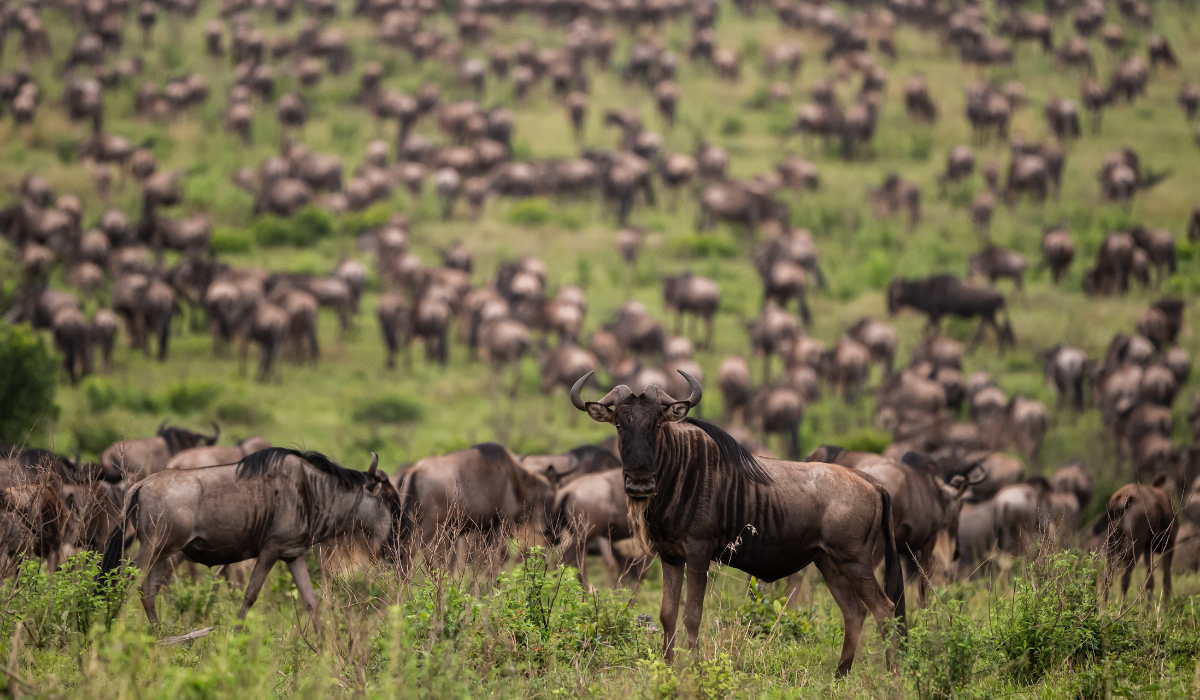
Photographing the great migration is one of the most rewarding challenges in wildlife photography, and understanding how to photograph great migration scenes effectively can transform your safari into a portfolio of powerful, story-driven images. Across the vast plains of Serengeti National Park and into Maasai Mara National Reserve, millions of wildebeest, zebras, and gazelles move in a continuous cycle, offering endless opportunities for dramatic compositions. However, capturing these moments requires more than just pointing a camera—it demands planning, technical skill, patience, and an understanding of animal behavior.
Understanding Migration Timing and Positioning
Knowing where the herds are is the foundation of how to photograph great migration successfully. The migration follows a seasonal pattern, with calving in the southern Serengeti early in the year, movement through the western corridor mid-year, and river crossings in the north between July and October. Each phase offers different photographic opportunities, from intimate newborn moments to chaotic river crossings.
Positioning is critical. Being in the right place at the right time often determines whether you capture a once-in-a-lifetime shot. Staying in regions where the herds are concentrated increases your chances of meaningful encounters, while flexibility in your itinerary allows you to adapt to changing conditions.
Choosing the Right Camera Gear
Equipment plays a major role in how to photograph great migration scenes. A DSLR or mirrorless camera with fast autofocus and high burst rates is ideal for capturing action. Telephoto lenses in the 200–600mm range allow you to photograph distant wildlife, while a wider lens can be useful for capturing landscapes and large herd movements.
A sturdy camera support, such as a beanbag or monopod, helps stabilize your shots in a safari vehicle. Extra batteries and memory cards are essential, as long days in the field can quickly drain resources. Dust protection is also important, especially during the dry season when conditions can be harsh.
Mastering Light and Timing
Lighting is one of the most important elements in wildlife photography. Early morning and late afternoon, often referred to as the golden hours, provide soft, warm light that enhances textures and colors. Midday light can be harsh, creating strong shadows and reducing image quality.
Understanding how to photograph great migration also means anticipating moments rather than reacting to them. Watching animal behavior, reading movement patterns, and preparing your settings in advance allows you to capture decisive moments such as river crossings or predator interactions.
Capturing River Crossings and Action Shots
River crossings are among the most dramatic scenes in the migration, but they are also unpredictable. Wildebeest may gather for hours before crossing suddenly, and the action can unfold rapidly. Using a fast shutter speed is essential to freeze motion, while continuous shooting mode increases your chances of capturing the perfect frame.
Composition is equally important. Including elements such as splashing water, dust, or surrounding animals adds depth and context to your images. Focusing on individual animals within the chaos can create powerful, emotional shots that stand out from wide herd scenes.
Composition Techniques for Strong Images
Strong composition is key to elevating your images. Leading lines created by moving herds can guide the viewer’s eye through the frame, while framing subjects with natural elements such as trees or rocks adds visual interest. Positioning yourself at eye level with animals often results in more engaging and intimate photographs.
Balancing wide shots with close-ups allows you to tell a complete story of the migration. Wide-angle images capture the scale and movement of the herds, while tighter shots highlight individual behavior and emotion. Understanding how to photograph great migration scenes involves combining these approaches to create a cohesive visual narrative.
Working with Guides and Vehicles
Your guide plays a crucial role in your photographic success. Experienced guides understand animal behavior and know how to position the vehicle for optimal lighting and angles. Communicating your goals clearly helps them anticipate your needs and place you in the best possible position for photography.
Patience is essential. Wildlife photography often involves waiting for the right moment, and staying in one location longer can yield better results than constantly moving. Respecting wildlife and maintaining a safe distance ensures both your safety and the well-being of the animals.
Camera Settings for Wildlife Photography
Understanding your camera settings is fundamental to how to photograph great migration effectively. A fast shutter speed is necessary for action, while adjusting aperture helps control depth of field. Continuous autofocus mode allows you to track moving subjects, and burst mode ensures you capture multiple frames during fast action sequences.
Exposure adjustments may be needed depending on lighting conditions, especially when photographing against bright skies or reflective water. Practicing with your equipment before your safari ensures that you can respond quickly when opportunities arise.
Tips for Photographing the Great Migration
Plan your safari during peak migration phases such as calving or river crossings.
Use telephoto lenses for distant subjects and wide lenses for landscapes.
Shoot during golden hours for the best light.
Be patient and observe animal behavior before taking shots.
Work closely with your guide to position yourself effectively.
Protect your equipment from dust and weather conditions.
Learning how to photograph great migration scenes takes time, practice, and a deep appreciation for the natural world. With the right preparation and mindset, every moment in the field becomes an opportunity to capture powerful images that tell the story of one of Earth’s most extraordinary wildlife events.