
Lions of the Serengeti: Tracking the World’s Most Iconic Predators
 Lions of the Serengeti: Tracking the World’s Most Iconic Predators
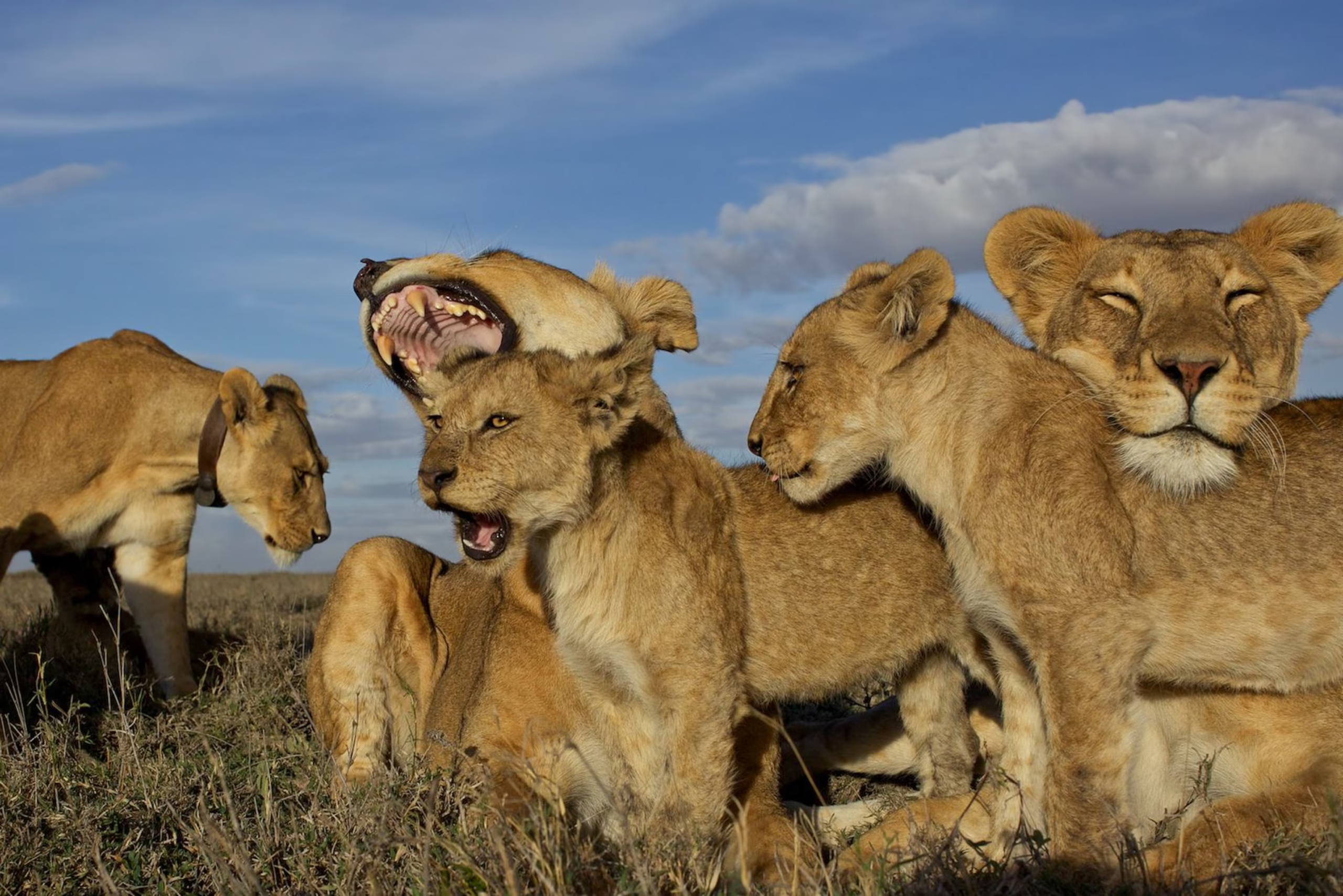
Few wildlife encounters capture the imagination like seeing lions in Serengeti Tanzania, where vast open plains provide the perfect stage for one of nature’s most powerful predators. Across the sweeping landscapes of Serengeti National Park, lions dominate as apex hunters, shaping the balance of the ecosystem through their strength, strategy, and social structure. The Serengeti is home to one of the largest lion populations in Africa, making it one of the best places in the world to observe these magnificent animals in their natural environment. For travelers and wildlife enthusiasts, understanding how lions live, hunt, and interact within this ecosystem transforms a simple sighting into a deeply meaningful experience.
The Habitat of Lions in Serengeti Tanzania
The Serengeti offers an ideal habitat for lions, with its combination of open grasslands, scattered acacia trees, and rocky outcrops known as kopjes. These kopjes provide elevated vantage points where lions rest, observe their surroundings, and escape the midday heat. The abundance of prey, including wildebeest, zebras, and antelope, supports large prides and allows lions to thrive in relatively high densities compared to other regions.
Water sources also play a critical role in shaping lion territories. Areas near rivers and seasonal waterholes attract herbivores, which in turn draw lions. This concentration of prey makes certain regions of the Serengeti particularly productive for predator sightings, especially during the dry season when animals gather around limited water sources.
Social Structure and Pride Dynamics
Lions in Serengeti Tanzania are highly social animals, living in groups known as prides. A typical pride consists of related females, their cubs, and one or more dominant males. The females are the core of the pride, often remaining together for life and cooperating in hunting and raising young.
Male lions, on the other hand, play a different role. They are responsible for defending the pride’s territory from rival males and ensuring the survival of their genetic lineage. Takeovers by new males can lead to intense, as incoming males may attempt to eliminate cubs sired by previous leaders. These dynamics create a constantly shifting social structure that adds complexity to lion behavior in the Serengeti.
Hunting Behavior and Strategy
Hunting is a coordinated effort among female lions, who use teamwork, stealth, and timing to capture prey. Unlike solitary predators, lions rely on group strategies to increase their success rate. They often hunt during cooler hours, such as early morning or late evening, when prey is more active and visibility is lower.
The open plains of the Serengeti provide both opportunities and challenges for hunting. While visibility is high, making it harder for lions to approach undetected, the sheer number of prey animals increases the chances of a successful hunt. Lions primarily target medium to large herbivores, adapting their tactics based on the size and behavior of their chosen prey.
Lions and the Great Migration
One of the most fascinating aspects of observing lions in Serengeti Tanzania is their interaction with the great wildebeest migration. As millions of animals move across the plains, lions adjust their territories and hunting patterns to take advantage of this seasonal abundance.
During the calving season in the southern Serengeti, lions benefit from the presence of vulnerable young animals, leading to increased hunting activity. In other regions, lions follow the movement of herds, ensuring a consistent food supply throughout the year. This relationship between predator and migration highlights the interconnected nature of the Serengeti ecosystem.
Best Places to See Lions in the Serengeti
Certain areas of the Serengeti are particularly well known for lion sightings. The central Serengeti, with its mix of open plains and kopjes, supports large prides and offers consistent viewing opportunities year-round. The southern plains become highly active during calving season, while the northern Serengeti provides opportunities to observe lions near river crossings, where prey animals are concentrated.
Each region offers a slightly different perspective on lion behavior, from relaxed prides resting on rocky outcrops to intense hunting scenes unfolding across the plains. Exploring multiple areas increases the likelihood of witnessing a range of behaviors and interactions.
Conservation and Challenges
Despite their dominance, lions face several challenges, including habitat loss, human-wildlife conflict, and disease. Conservation efforts within the Serengeti aim to protect lion populations by preserving habitats and maintaining the ecological balance that supports them.
The Serengeti remains one of the strongestholds for lions in Africa, but ongoing conservation work is essential to ensure that future generations can continue to experience these iconic predators in the wild. Understanding these challenges adds depth to the experience of seeing lions, emphasizing the importance of responsible tourism and conservation awareness.
Tips for Tracking Lions in Serengeti Tanzania
Tracking lions requires patience, observation, and an understanding of their behavior. Early morning and late afternoon game drives offer the best chances of sightings, as lions are more active during cooler hours. Observing prey animals can also provide clues, as their behavior often signals the presence of predators nearby.
Working with experienced guides enhances the experience, as they can interpret tracks, sounds, and environmental cues to locate lions more effectively. Bringing binoculars and maintaining quiet observation ensures that you can fully appreciate these moments without disturbing the animals.
Witnessing lions in Serengeti Tanzania is more than just a safari highlight; it is an encounter with one of the most iconic symbols of the wild. From their social dynamics to their hunting strategies, lions embody the power and complexity of the Serengeti, creating experiences that remain etched in memory long after the journey ends.