
Saadani National Park In Tanzania
 Saadani National Park in Tanzania: Where the Savannah Meets the Sea
Along the warm, palm-fringed coastline of the Indian Ocean lies one of East Africa’s most unusual and captivating protected areas—Saadani National Park. Unlike any other wildlife destination in the region, Saadani offers a rare convergence of ecosystems where classic African safari landscapes blend seamlessly with tropical beaches. This extraordinary fusion allows travelers to experience game drives in the morning and relax by the ocean in the afternoon, creating a rhythm of adventure and tranquility that is difficult to replicate anywhere else. For visitors seeking something beyond the traditional safari circuit, Saadani stands as a hidden gem that quietly delivers both wilderness and serenity in equal measure.
Location and Accessibility
Saadani National Park is situated along the northern coastline of Tanzania, roughly between the historic port city of Tanga and the bustling commercial hub of Dar es Salaam. Its location makes it uniquely accessible compared to more remote parks, yet it remains largely untouched by mass tourism. The park can be reached by road from Dar es Salaam in approximately four to five hours, depending on the route and road conditions, offering a scenic journey through rural Tanzanian landscapes dotted with villages, coconut plantations, and open plains. Alternatively, charter flights can land on a small airstrip within the park, providing a quicker and more comfortable option for travelers who prefer to avoid long road transfers. Accessibility, combined with its coastal setting, makes Saadani particularly appealing for visitors looking to combine safari experiences with beach holidays without the need for extensive travel across the country.
A Unique Coastal Ecosystem
What sets Saadani apart is its extraordinary ecological diversity. It is the only national park in Africa where wildlife roams freely along the shores of the Indian Ocean, creating a striking contrast between golden savannah grasslands and turquoise waters. The park encompasses a mosaic of habitats including mangrove forests, riverine vegetation, open plains, and coastal thickets, each supporting different forms of life. The Wami River flows through the park and plays a central role in sustaining its ecosystems, acting as a lifeline for both terrestrial and aquatic species. Its banks are lined with lush greenery and serve as gathering points for animals, especially during the dry season when water sources become scarce elsewhere. This diversity of habitats allows Saadani to support an impressive array of wildlife despite being less well-known than Tanzania’s larger parks.
Wildlife in Saadani National Park
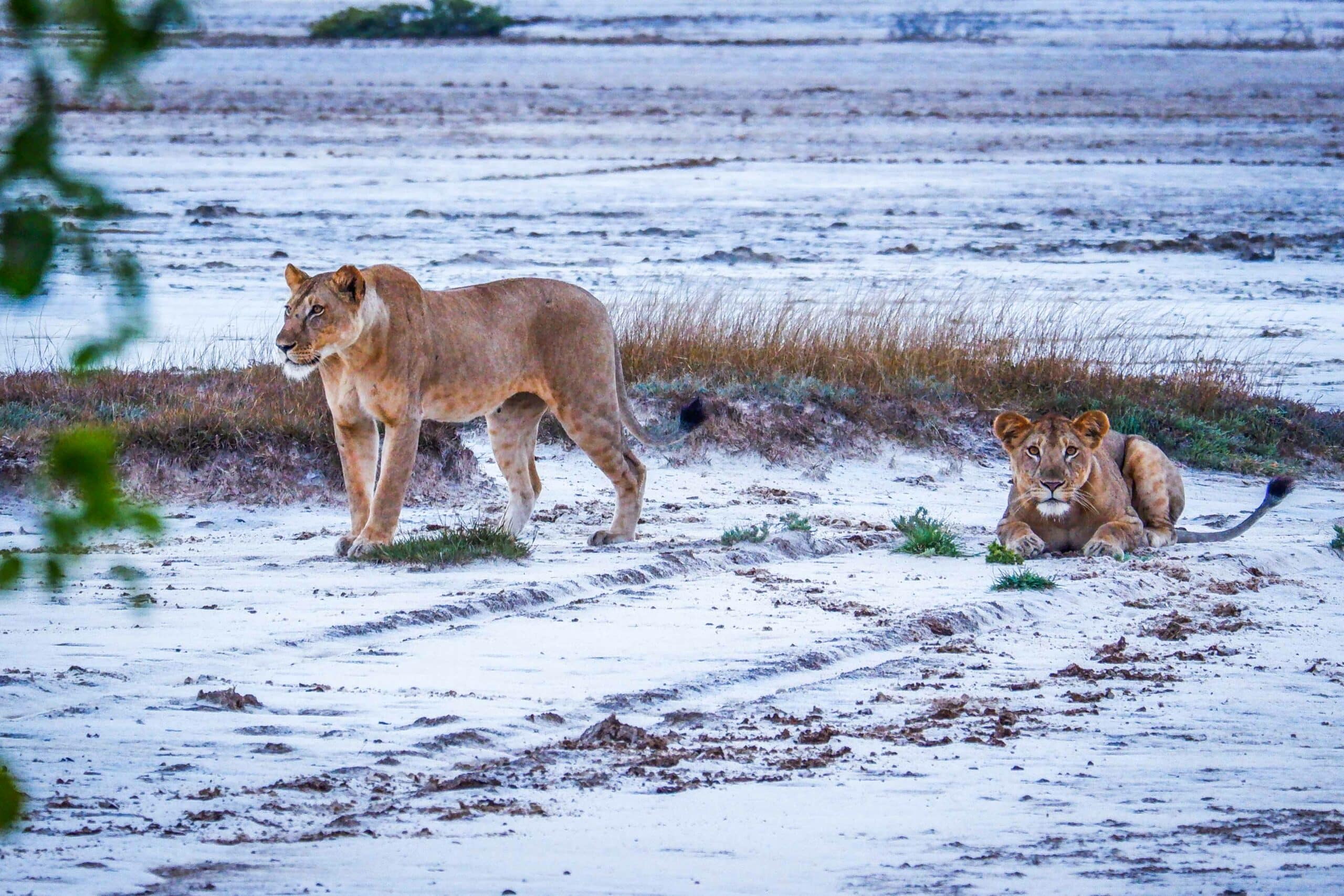
The wildlife experience in Saadani is both rewarding and refreshingly uncrowded. Visitors can encounter many of Africa’s iconic species, including large populations of African Elephant, often seen moving gracefully across the plains or cooling off near water sources. Herds of Cape Buffalo graze in the grasslands, while predators such as Lion inhabit the park, though they are more elusive compared to those in heavily trafficked reserves. The presence of Masai Giraffe adds elegance to the landscape, frequently spotted browsing acacia trees against the backdrop of the ocean horizon.
One of Saadani’s most distinctive features is the opportunity to observe wildlife in a coastal context. It is not uncommon to see animals wandering near the beach, creating rare photographic moments where safari scenes meet seascapes. The park is also home to smaller mammals such as warthogs, waterbucks, and bushbucks, all contributing to the park’s rich biodiversity. Along the Wami River, visitors can enjoy sightings of Hippopotamus and large Nile Crocodile basking on the riverbanks, offering a different perspective from traditional game drives.
Birdlife and Marine Influence
Saadani National Park is a paradise for bird enthusiasts, with over 300 species recorded within its boundaries. The combination of coastal and inland ecosystems creates a haven for both resident and migratory birds, making birdwatching a year-round activity. Species range from colorful kingfishers and bee-eaters to majestic fish eagles that soar above the river and coastline. The nearby ocean also influences the park’s biodiversity, with marine life playing a subtle yet important role in shaping the ecosystem. Offshore, green turtles are known to nest along the park’s beaches during certain seasons, adding another layer of ecological significance to this already diverse destination.
Activities and Experiences
A visit to Saadani National Park offers a variety of activities that go beyond the standard safari itinerary. Traditional game drives remain a highlight, allowing visitors to explore the park’s varied landscapes and observe wildlife in their natural habitat. However, one of the most memorable experiences is a boat safari along the Wami River, where close encounters with hippos, crocodiles, and an abundance of birdlife create a tranquil yet thrilling journey through the park’s waterways. Walking safaris, led by experienced guides, provide a more intimate connection with the environment, revealing the smaller details of the ecosystem that are often missed from a vehicle.
The park’s coastal location also opens the door to unique beach experiences. Visitors can relax on quiet, unspoiled stretches of sand, enjoy the soothing sounds of the ocean, and even witness wildlife tracks leading down to the shoreline. This seamless blend of safari and seaside leisure is what truly defines Saadani, offering a slower, more immersive pace of travel that encourages visitors to connect deeply with nature.
Best Time to Visit
Saadani National Park can be visited throughout the year, but the dry season, typically from June to October, is considered the best time for wildlife viewing. During this period, animals are easier to spot as they congregate around water sources, and vegetation is less dense, improving visibility. The wet season, from November to May, transforms the park into a lush, green landscape and is particularly rewarding for birdwatchers, as migratory species arrive and breeding activity increases. While road conditions may be more challenging during heavy rains, the park’s beauty during this time offers a different and equally captivating experience.
Conservation and Cultural Significance
Saadani National Park plays a crucial role in protecting Tanzania’s coastal ecosystems and wildlife. It was established to preserve not only the region’s biodiversity but also its cultural heritage, as local communities have long coexisted with the natural environment. Conservation efforts focus on maintaining ecological balance while promoting sustainable tourism that benefits surrounding communities. The park’s relatively low visitor numbers contribute to its pristine condition, allowing it to remain an authentic and peaceful destination for those who venture there.
Why Saadani Stands Out
In a country renowned for world-famous safari destinations such as Serengeti National Park and Ngorongoro Conservation Area, Saadani offers something entirely different. It is not defined by vast herds or dramatic migrations, but by its quiet uniqueness and the harmony between land and sea. This is a place where the rhythm of waves complements the call of wildlife, where sunsets paint both the savannah and the ocean in shades of gold, and where every moment feels intimate and unspoiled.
For travelers seeking a safari that goes beyond the ordinary, Saadani National Park delivers an experience that is as rare as it is unforgettable. It is a destination where memories are not just made—they are deeply felt, carried home in the sound of the ocean, the sight of wildlife against a coastal horizon, and the enduring sense of having discovered one of Africa’s best-kept secrets.